Asian Americans at the Supreme Court:
A Living History, Case by Case
We tend to think of history with distance, as something that happened, to people we never knew, settled and done. It's harder, but more honest, to think of history in the present tense: we are living in the future's history. Whether we're on the right side of it isn't a verdict handed down after the fact. It's an active choice, made in real time, by people who are shaping history as they live it, connected to everything that came before, whether they notice or not.
Asian American history tends to get treated as its own category, set slightly apart. But Asian American history is American history. It involves Americans. It has shaped American culture, American law, and the systems that govern everyone in this country, not a subset of it. We don't carve out a separate history for every group that makes up this country, and there's no good reason this one should be treated differently.
And yet: of the tens of millions of Americans with roots in Asia and the Pacific Islands, not one has ever sat on the U.S. Supreme Court. The Constitution has changed. The justices have changed many times over. The country around the Court has been remade more than once. But the institution itself, and a version of the same question, keep showing up together, case after case: does America belong to Asian Americans on the same terms it belongs to everyone else?
The answer has moved over 150 years, and it has never moved in a straight line. Not every case below asks that question in the same way, and a few of the people at the center of these cases weren't Asian American at all; their cases still shaped what the law allows, and shaped it for everyone who came after. Below are the Supreme Court cases that touch this history, organized not by date but by what they were actually asking. Each one links to a deeper, standalone piece on the people at its center, not just what the Court decided, but who they were, and what it cost them to ask.
The Cases and Their Stories
The Question Starts With a Boat
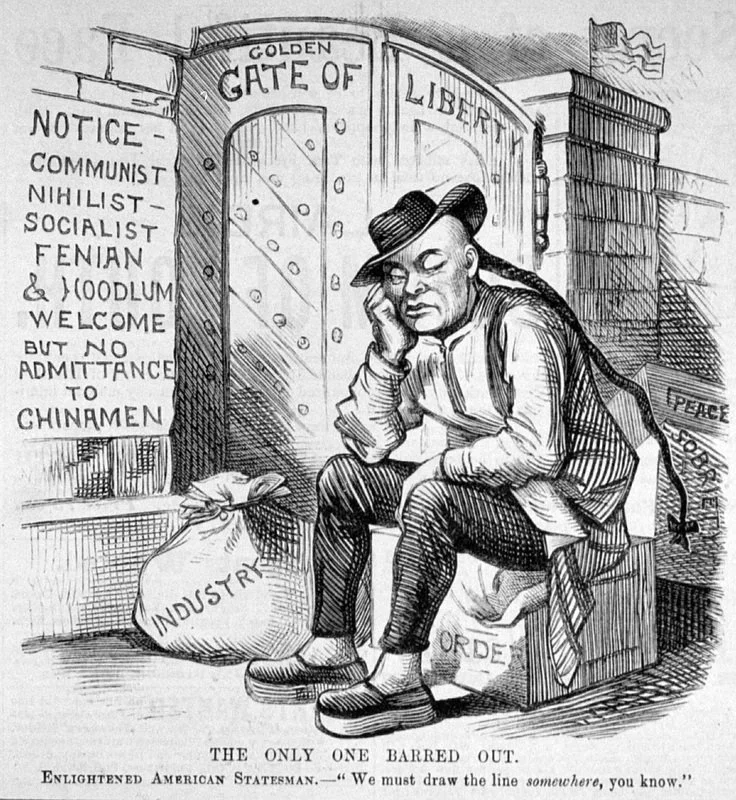
In the late 1800s, the Supreme Court ruled that immigration belonged to the federal government, not the states. Chy Lung v. Freeman (1875) used that principle to free twenty-two detained women. Within fifteen years, the same federal power was turned against the people it once protected: Chae Chan Ping v. United States (1889) and Fong Yue Ting v. United States (1893) upheld Congress's authority to exclude and deport Chinese immigrants outright.
Read more→
The Asymmetry of Whiteness
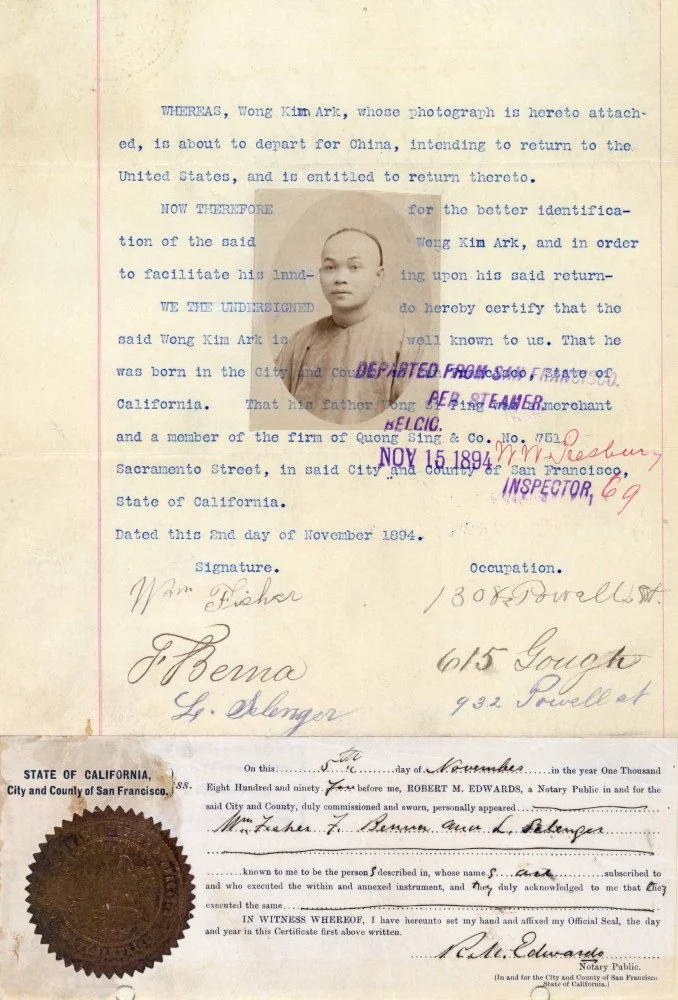
In 1886, the Supreme Court ruled that a law could be perfectly neutral on paper and still illegal in practice, striking down a San Francisco ordinance enforced almost exclusively against Chinese laundry owners. Twelve years later, Yick Wo v. Hopkins' logic collided with a harder question in United States v. Wong Kim Ark (1898): if you're born on American soil to parents the law won't let become citizens, are you one anyway? The Court said yes.
The Same Justice, Two Answers
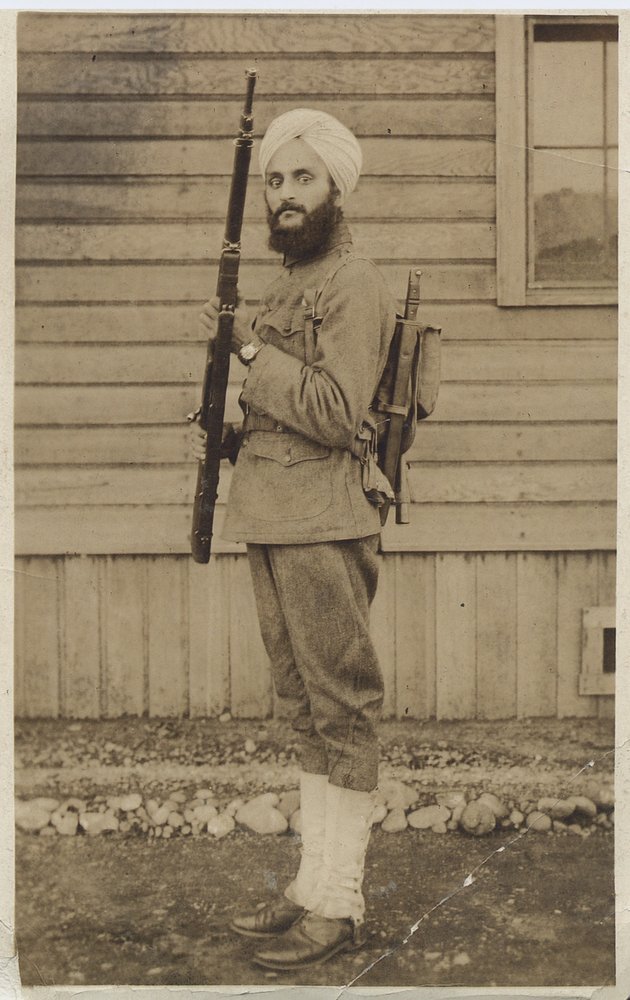
In 1922, the Supreme Court ruled "white" meant Caucasian, and a Japanese immigrant who'd spent twenty years building an American life lost his citizenship case on that basis. Three months later, the same justice ruled the opposite way for an Indian Sikh war veteran who was scientifically classified as Caucasian, deciding "white" actually meant whatever the "common man" believed. Two rulings, one justice, no consistent definition.
Jim Crow Finds a New Target
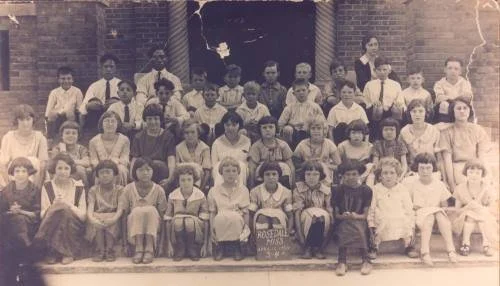
In 1924, a Mississippi school sent nine-year-old Martha Lum home for being Chinese, not Black, in a state that recognized only two kinds of student. Her family's Supreme Court case, Gong Lum v. Rice (1927), didn't challenge segregation itself: they argued Martha belonged on the white side of the line. The Court disagreed, and in doing so, taught Jim Crow how to absorb anyone, not just Black Americans.
Read more→
Loyalty on Trial
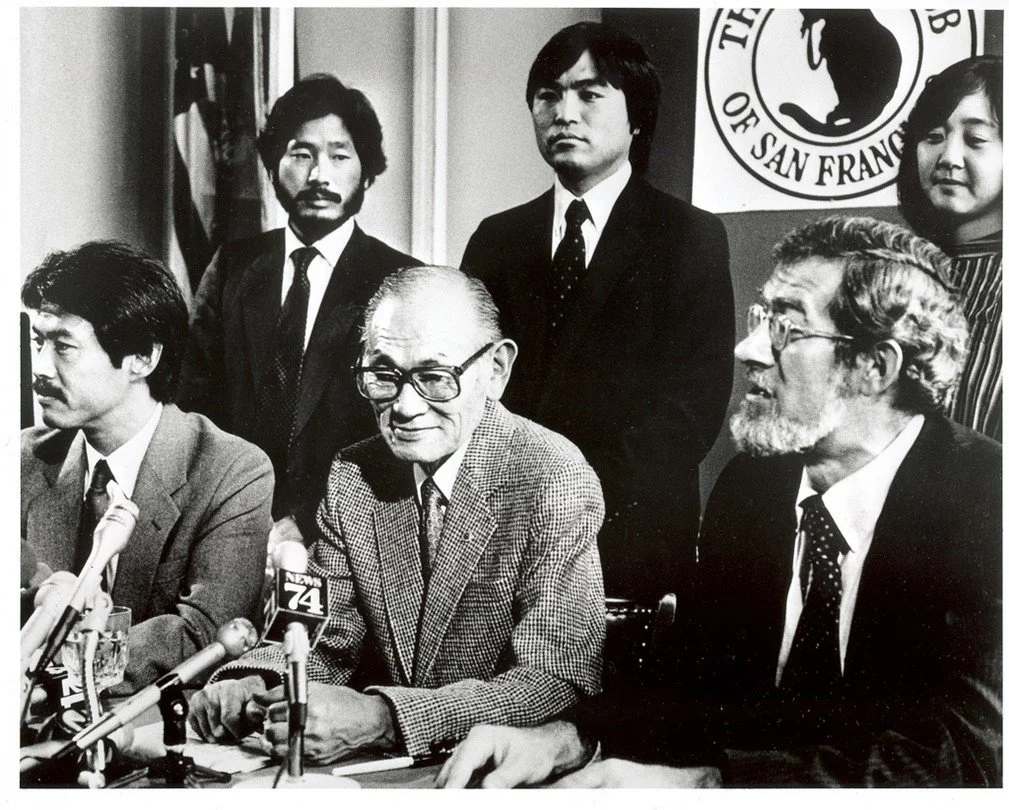
Four Japanese Americans took different pieces of the same wartime injustice to the Supreme Court: a curfew, a citizenship technicality, mass exclusion, and indefinite detention. Hirabayashi, Yasui, and Korematsu lost. Mitsuye Endo won, the same day Korematsu lost, on the narrowest possible grounds. None of them chose which question their case would test. The accident of litigation decided who the Constitution protected.
Read more→
Equal Access, Decided Without the Constitution
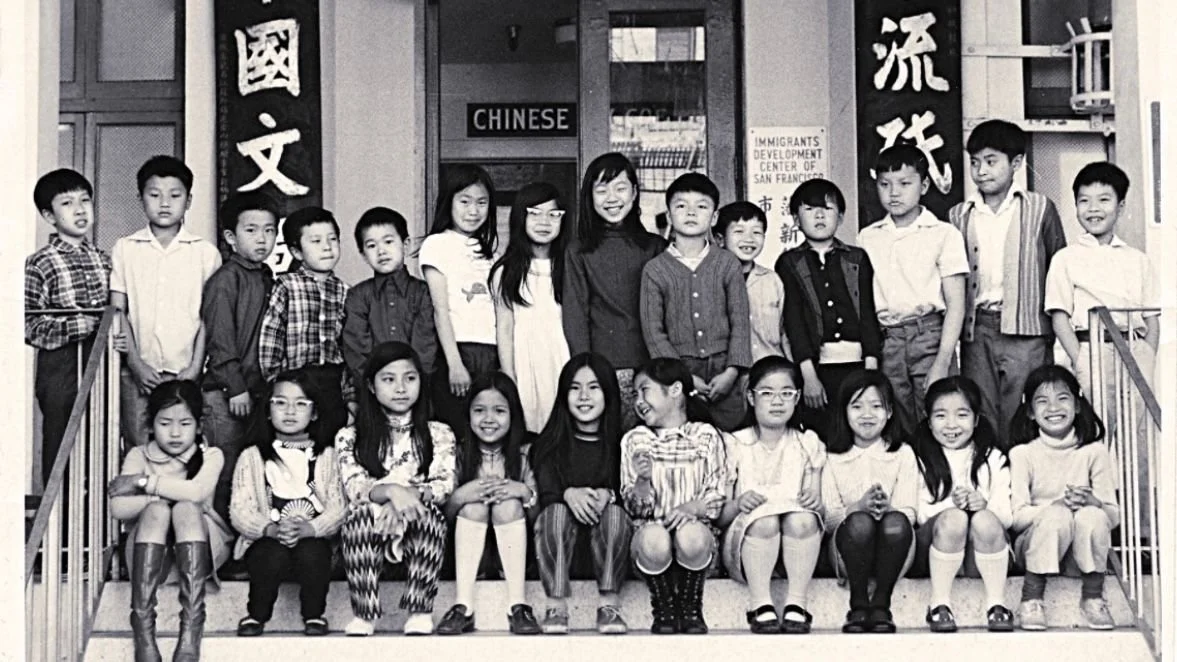
In 1974, a San Francisco first grader who spoke no English became the named plaintiff in a unanimous Supreme Court ruling that reshaped American public education, decided not on equal protection grounds but on a federal funding statute. Kinney Lau never fully benefited from the bilingual programs his own case produced. Decades later, he still wasn't sure they'd been the right answer.
Read more→
The Plaintiff Without a Name
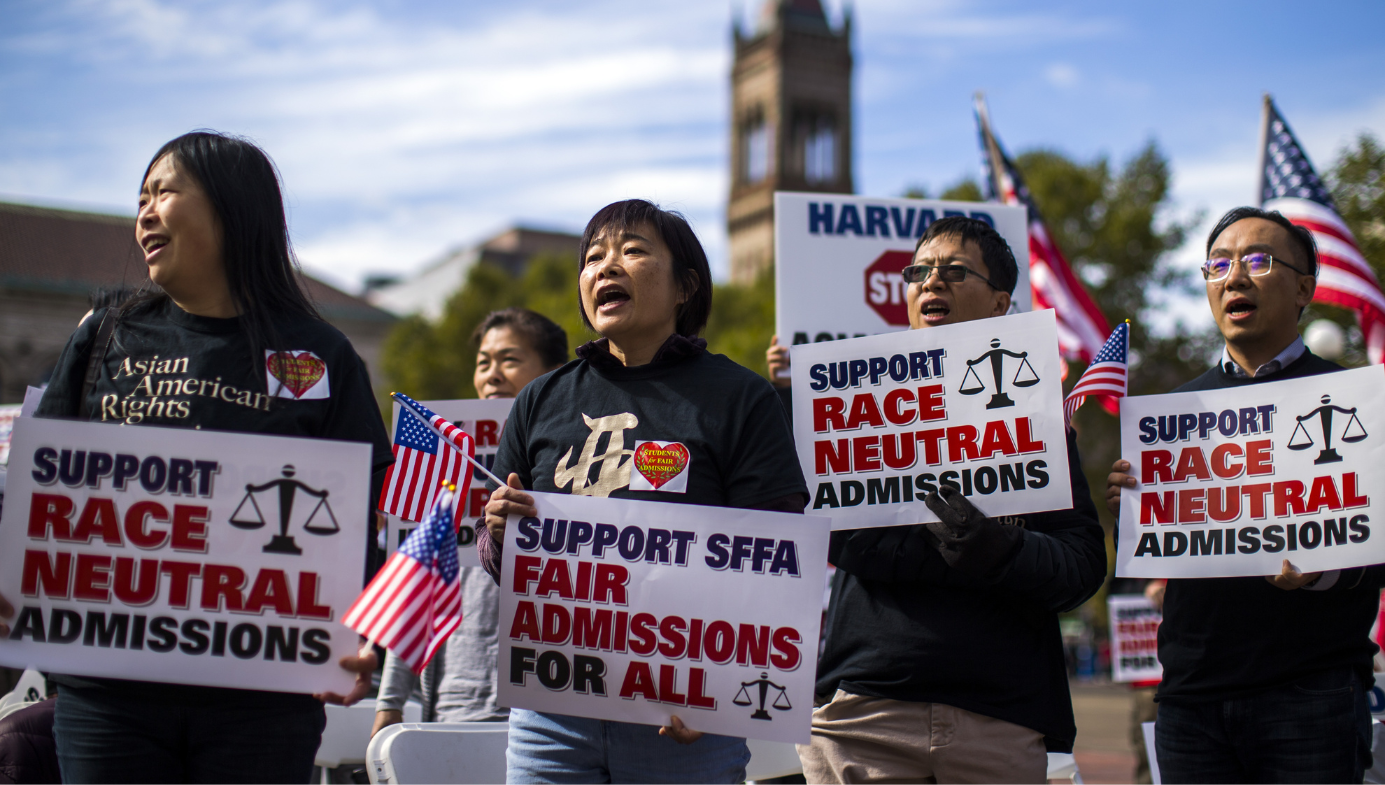
The most recent entry in this fight broke from every case before it: there's no named plaintiff. Students for Fair Admissions, Inc. v. Harvard (2023) ended affirmative action nationwide, brought by an organization built by a conservative activist who said, on the record, "I needed Asian plaintiffs." The grievance behind it was real. Whether the lawsuit that resolved it belonged to the people it claimed to speak for is a harder question.
Read more→

The Band Who Must Not Be Named
The Supreme Court's own official record gets my name wrong. This is the final piece in the series, and the only one where I'm not telling someone else's story; I'm the plaintiff. Eight years, one unanimous win, and a record that still needs correcting. It seemed like the right place to end.
Read more→
A Different Kind of Question: The Other Cases
The eight pieces above ask some version of the same question this series opened with: does America belong to Asian Americans on the same terms it belongs to everyone else? The pieces below ask something adjacent but not quite identical. One is about who gets to prove citizenship, and to whom, when the answer depends entirely on which official is doing the asking. The other is about what happens to a family's claim to property, and to belonging, in the years right after the government decided their loyalty wasn't enough to keep them out of a camp.
These didn't fit cleanly into the architecture above, not because they matter less, but because they're doing something slightly different: tracing procedure and property rather than identity and exclusion directly. Rather than force them into a shape they don't quite share with the rest of the series, they get their own room here.
What Counts as Proof You Belong
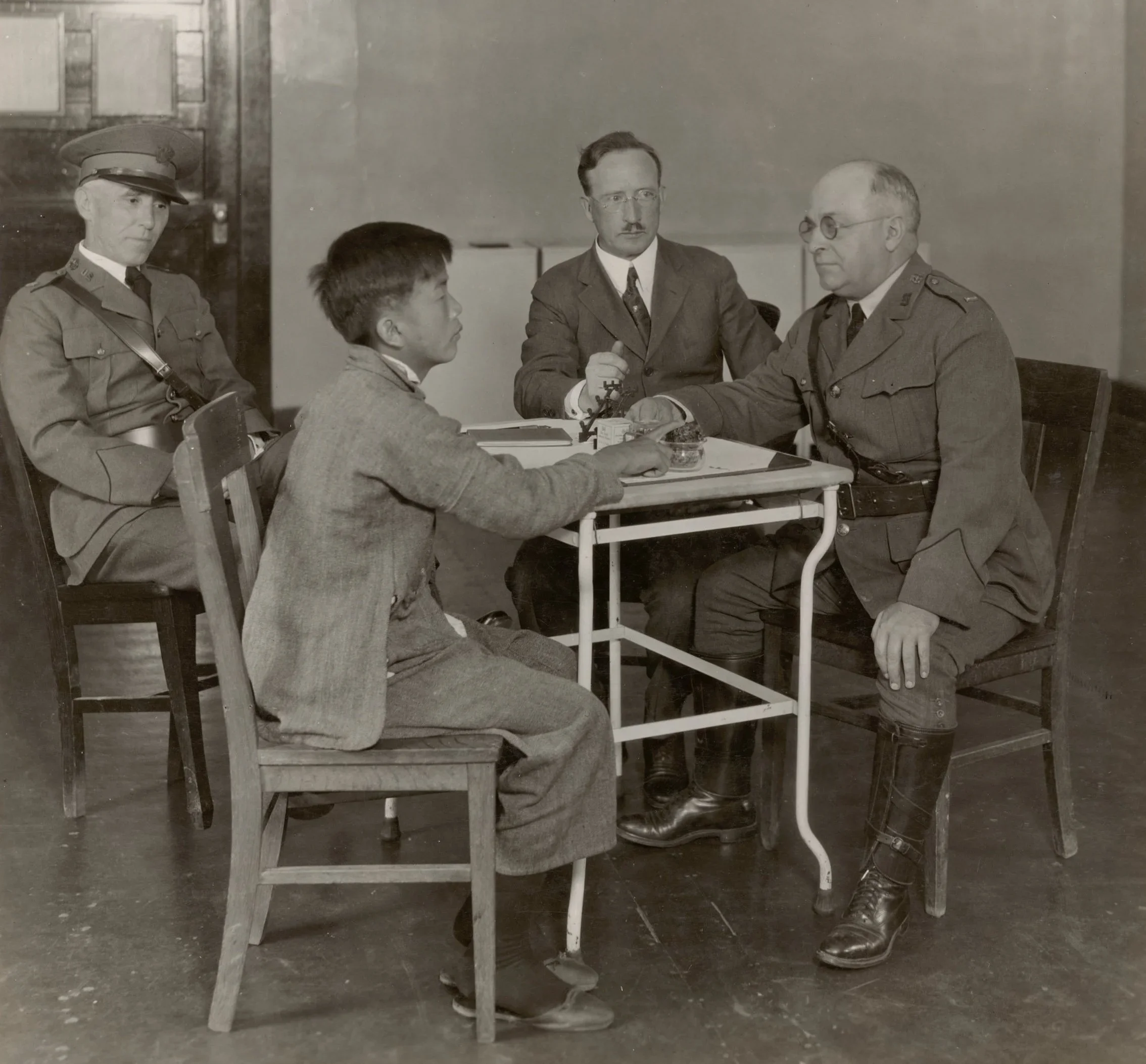
Between 1895 and 1905, six Chinese immigrants and citizens tried to do something simple: ask a federal judge whether the government was wrong to call them foreigners. The door narrowed almost every time. By 1906, habeas petitions in California had dropped from 153 a year to nine. There was exactly one place the line held, against hard labor without a trial. Most of these men left behind almost nothing but their case files.
Read more→
The Case the Court Wouldn't Touch
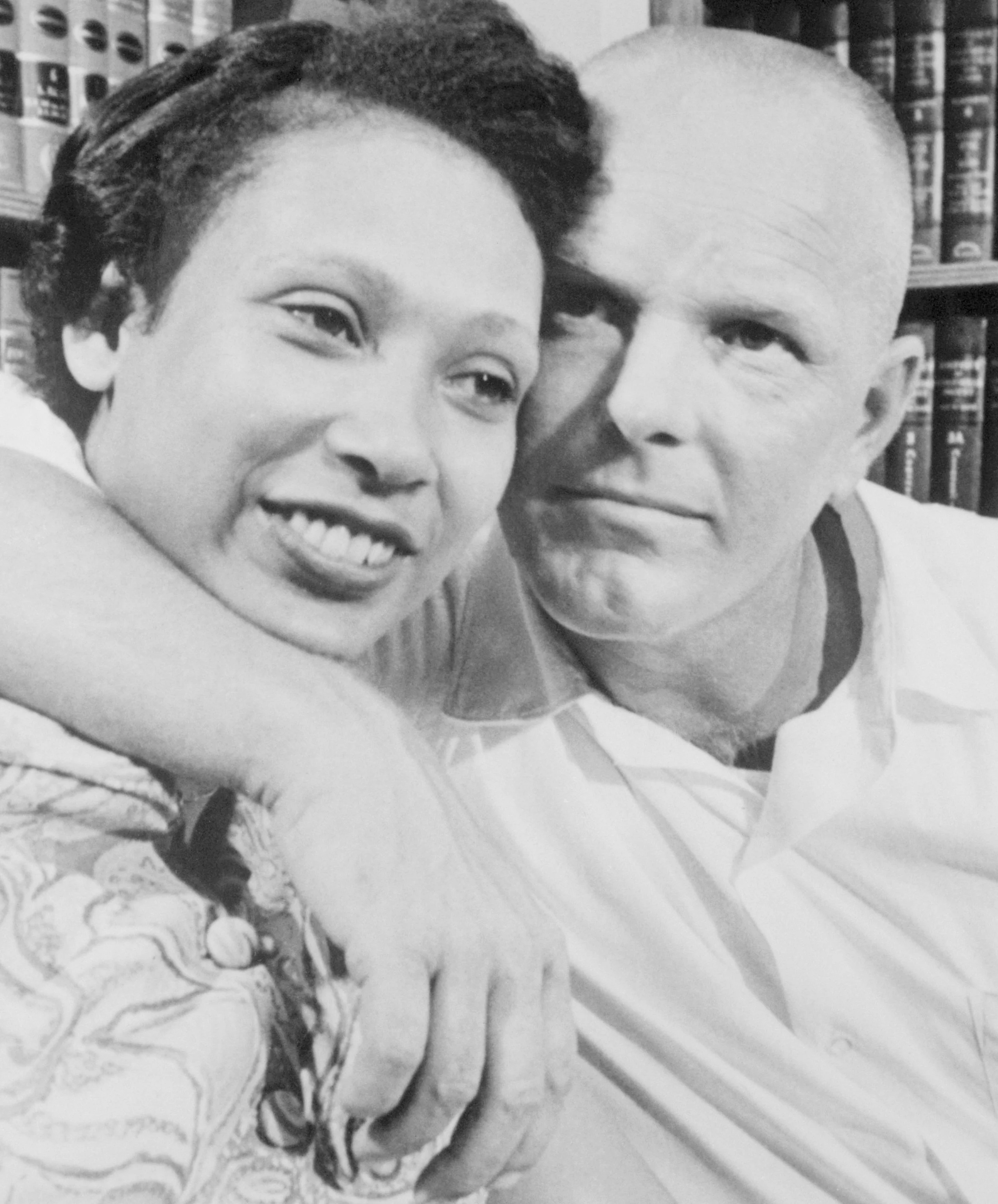
In 1955, the Supreme Court had the chance to strike down marriage bans based on race and chose not to, citing fears about Brown's own fragility. The case involved a Chinese sailor whose marriage was annulled twice. Eleven years later, Loving v. Virginia finally answered the same question, with a Japanese American attorney who'd survived wartime incarceration as the only outside voice allowed to argue.
Read more→
Non-AAPI Cases That Shaped AAPI History
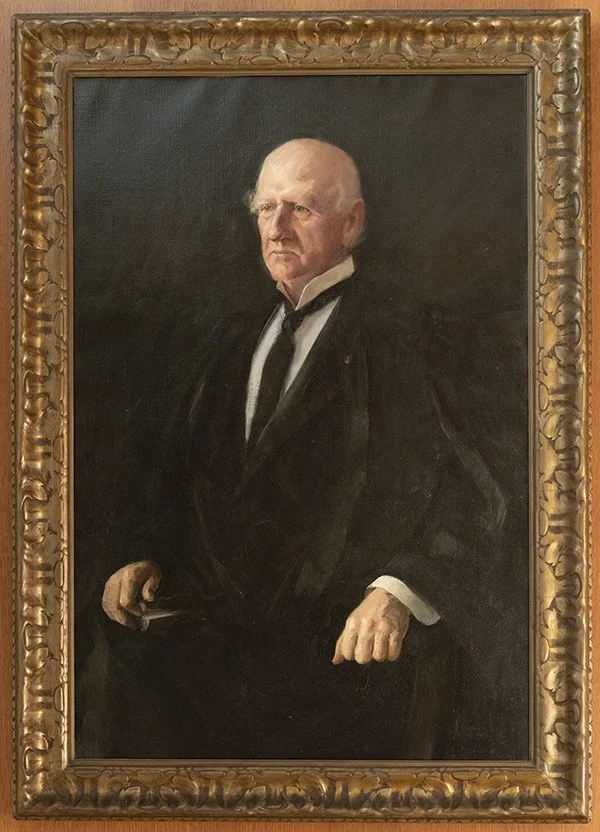
The Land in His Son’s Name
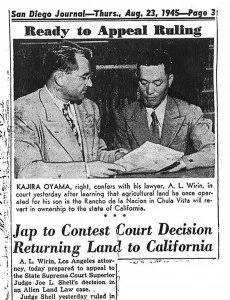
Kajiro Oyama couldn't legally own land in California, so he bought it in his six-year-old son's name, exactly as the law allowed. While the family was interned in Utah, the state tried to seize it anyway. The Supreme Court ruled for the son's citizenship in 1948, not the father's claim to fairness. A neighbor, asked under oath if he knew Kajiro, said he'd never heard the name.
Read more→
The Foundation and the Undoing
Neither case has an Asian American name on it, but this series cites both more than almost any other. Justice Harlan's celebrated Plessy dissent argues for Black citizenship by treating Chinese exclusion as an acceptable baseline, a sentence usually edited out of the textbook version. Brown finally undid the doctrine Plessy built, helped along by Asian American organizations fighting for someone else's children first.
Read more→
Not every case that mattered to Asian American history had an Asian American name on it. Some of the most consequential decisions for this community were made in disputes between other people entirely, about other people's marriages, other people's schools, other people's right to vote. This section holds those cases.
The reasoning for including them is simple, even if the cases themselves resist simple categorization. A doctrine built in one case doesn't stay contained to the people who argued it. Plessy v. Ferguson wasn't about Chinese Americans, and it became the legal floor under Gong Lum v. Rice anyway. Brown v. Board of Education wasn't about Chinese Americans either, and it's the precedent every Asian American school-access case in this series eventually has to reckon with, for better or worse. Some cases run the other way: Loving v. Virginia was a Black-white marriage case at its core, but the Court could have decided the same question over a decade earlier in a case involving a Chinese sailor, and chose not to, for reasons that had nothing to do with him and everything to do with timing it judged more convenient. The people in this section weren't always bystanders. Sometimes, like William Marutani standing in front of the Court arguing on Virginia's law, they were doing the work directly, in someone else's case, because it was the only seat available to them.
This section also exists to be honest about absence. Not every community's history with the Supreme Court fits the shape of a case where they're the named party. Some of that is because the right case never reached the Court at all, despite real effort, multiple attempts, and at least one sitting justice calling the underlying legal doctrine "shameful." Rather than force a case into this resource that doesn't actually belong to the community it would claim to represent, this section says so plainly, and points, where it can, toward the cases that came closest.