
Refuse Apathy. Embrace Curiosity.
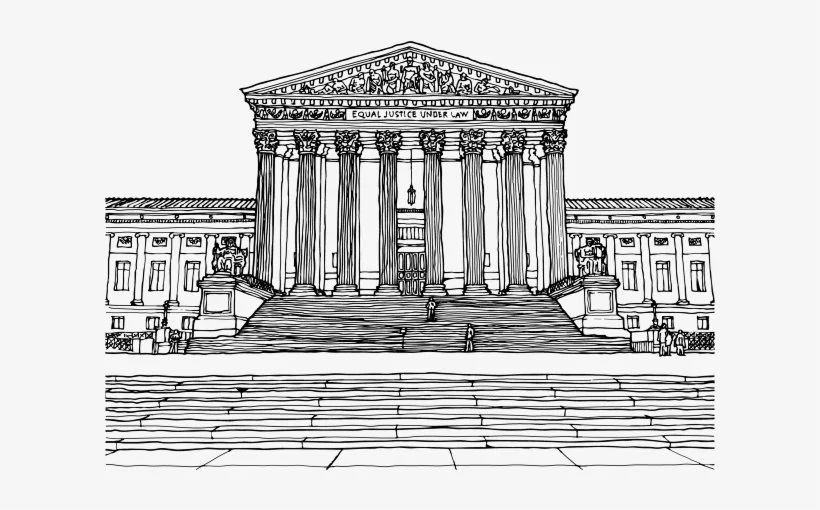
Asian Americans at the Supreme Court: Why I Built This
Asian Americans at the Supreme Court: A Living History, Case by Case is a free, ongoing resource tracing over 150 years of Supreme Court cases that shaped what it means to be Asian American in this country, and a few cases that shaped that history without an Asian American attached at all.
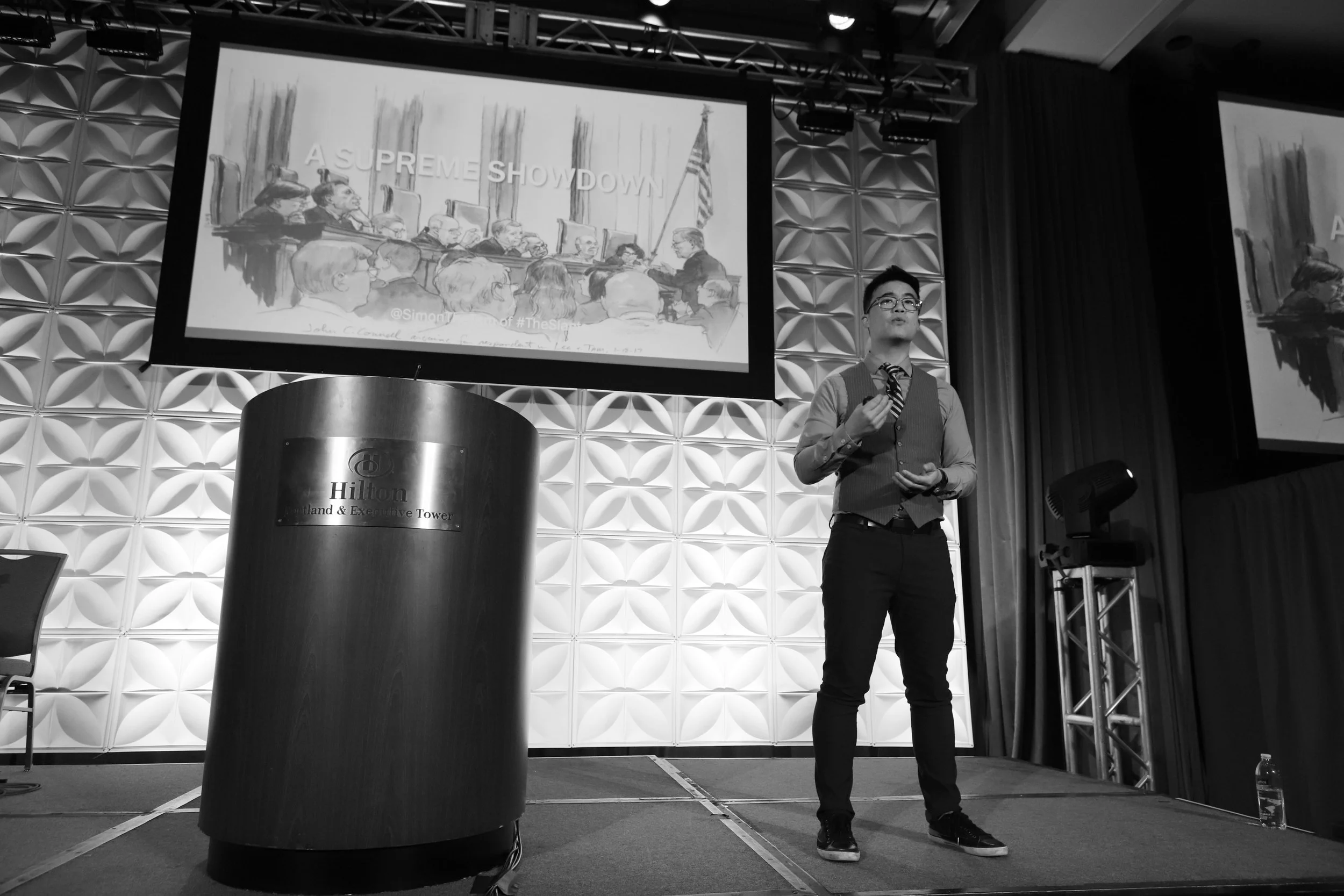
The Hidden Costs of Winning a Supreme Court Case
Everyone sees the opinion. Nobody sees the years of setbacks that made it possible, or what gets permanently altered in the process of winning. This is what the legal record doesn't say.

Lululemon Is Banging on the Wrong Drum
In late May, Lululemon staged a yoga event on the Great Wall of China — more than 2,000 guests laid out their mats on one of the most recognizable landmarks on earth, in a campaign the company billed as a tribute to Chinese culture. It wasn't.

Nine Years After the Supreme Court, Watching Someone Else Sing My Words
Nine years after a unanimous Supreme Court ruling reshaped First Amendment law, I'm still reckoning with what winning actually meant — the band that retired, the opera that followed, and why this story was never just mine to keep.

Two Things Named Slanted, One Word With a Long History
A new film, a band name, a memoir, a documentary. The word "slant" keeps getting reclaimed. What that pattern reveals about language, power, and who gets to decide.

Why Voting Should Be a First Amendment Right
The Supreme Court is about to decide Watson v. Republican National Committee on the narrowest possible grounds. But the question underneath it is constitutional — and we may have been asking it incorrectly for generations. What if voting is a First Amendment right?

What Matal v. Tam Actually Decided — And What It Didn't
The Supreme Court didn't rule that The Slants wasn't offensive. It ruled the government doesn't get to make that call. A plain-language breakdown of what the landmark First Amendment trademark case actually held, what it left open, and why it still matters.
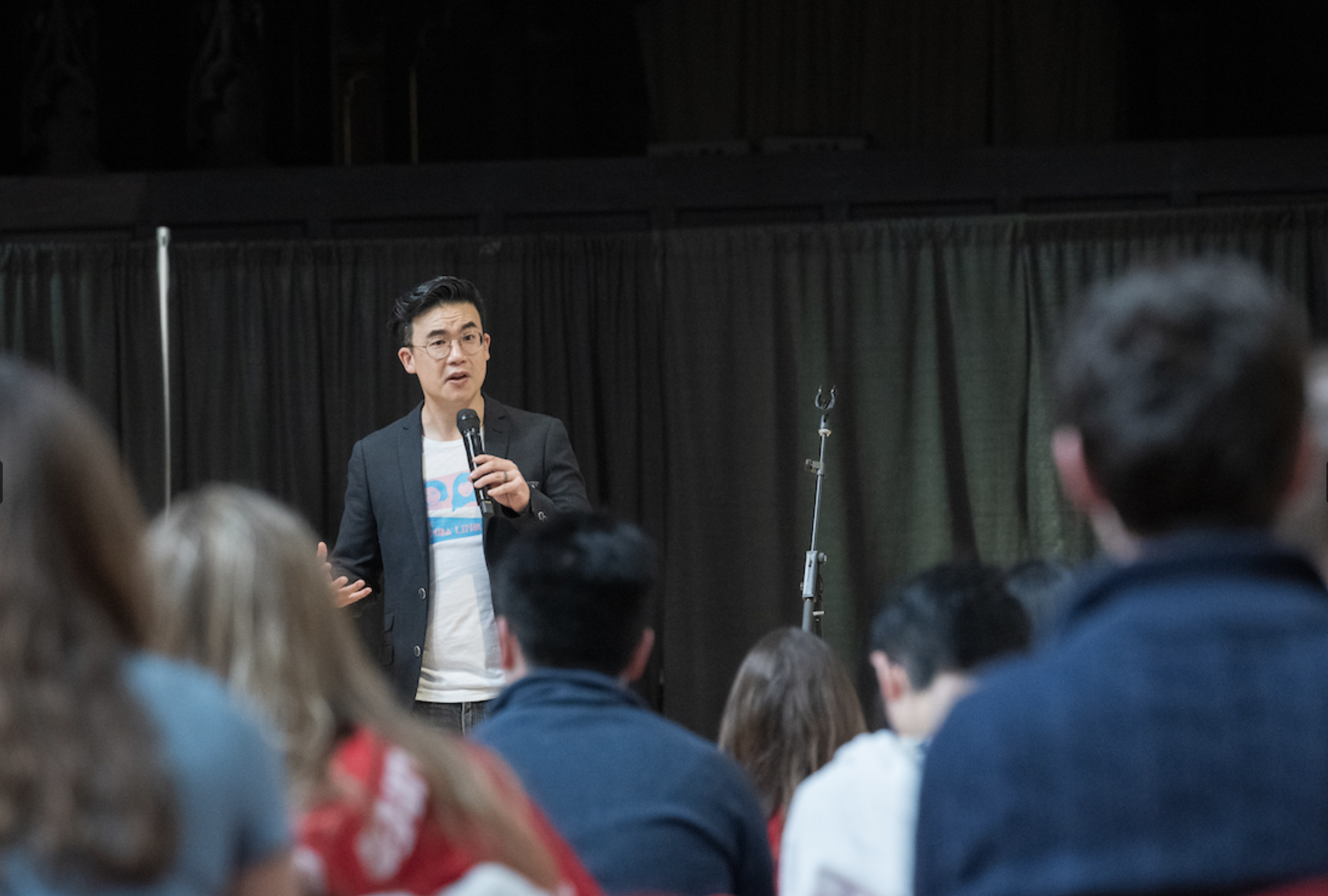
Why Every Side Eventually Needs Free Speech
Nearly ten years after Matal v. Tam, I find myself less interested in any one controversy or case than in the conditions that make disagreement possible in the first place. For universities, that doesn’t mean deciding which ideas are acceptable. It means resisting the impulse to adjust those standards depending on who is speaking, who is offended in the moment, or who is in the White House.

One Cuts, One Chooses
One cuts, one chooses. It's a simple parenting hack that some use to teach children about fairness. Give two kids a cake: the first can cut it however they'd like, but the second gets to choose which piece they take. It's no surprise that children raised with this often learn to cut perfectly equal shares. The rules of the game have a way of shaping behavior.

45: A Reflection of Where I’ve Been and Where I’m Going
I’ve let go of more in the past year than I ever have before—possessions, plans, versions of myself that no longer fit.
It doesn’t feel like loss. It feels like space.
Space for whatever comes next.

Letting Something Go/Grow
I just discovered that my podcast that I abandoned four years ago has surpassed a million downloads. I had forgotten my login credentials, let the website die, and hadn't thought about the show in years. When I finally managed to login, I learned that 75% of those downloads came after I walked away.

The Words We Share
There's a perceived cost to seeking clarification that keeps us locked in these patterns. Asking "what do you mean by that?" can feel like admitting weakness or, worse, giving ground to the other side. In charged conversations (politics, values, identity), the act of asking for context gets coded as taking a position. We've somehow created a culture where knowing the "right" interpretation is a proxy for being on the "right" team.

Why We Keep Voting for Home Runs Instead of Wins
But democracies, like baseball teams and investing, do not win on highlights alone. They win through institutional health, rule stability, and sustained participation. Zoning boards and school councils are not exciting, but they determine housing, education, and opportunity. Norms around election integrity or judicial independence do not trend on social media, but once weakened, they are extraordinarily difficult to rebuild. Getting the process right is like getting on base.

A Simple Test for Justice
If caring only activates when harm reaches our inner circle, the foundation is too fragile. Real justice has to function in grey areas—when no one is obviously evil, when rules appear neutral, when harm is diffused across systems rather than delivered by a single hand. The harder question isn't "Do I feel bad for this person?" but "Would I trust this system if I were the most vulnerable person it touched?"


The Liberation of Leaving Everything Behind
What I learned from getting rid of everything I own.

When Compassion is Calculated: How Mass Suffering is Ignored
"The death of one is a tragedy, the death of a million is a statistic."
Our compassion shrinks as the numbers grow.

The Homogenization Tax
No one wants to know how the sausage is made...unless they start noticing that every sausage tastes exactly the same.
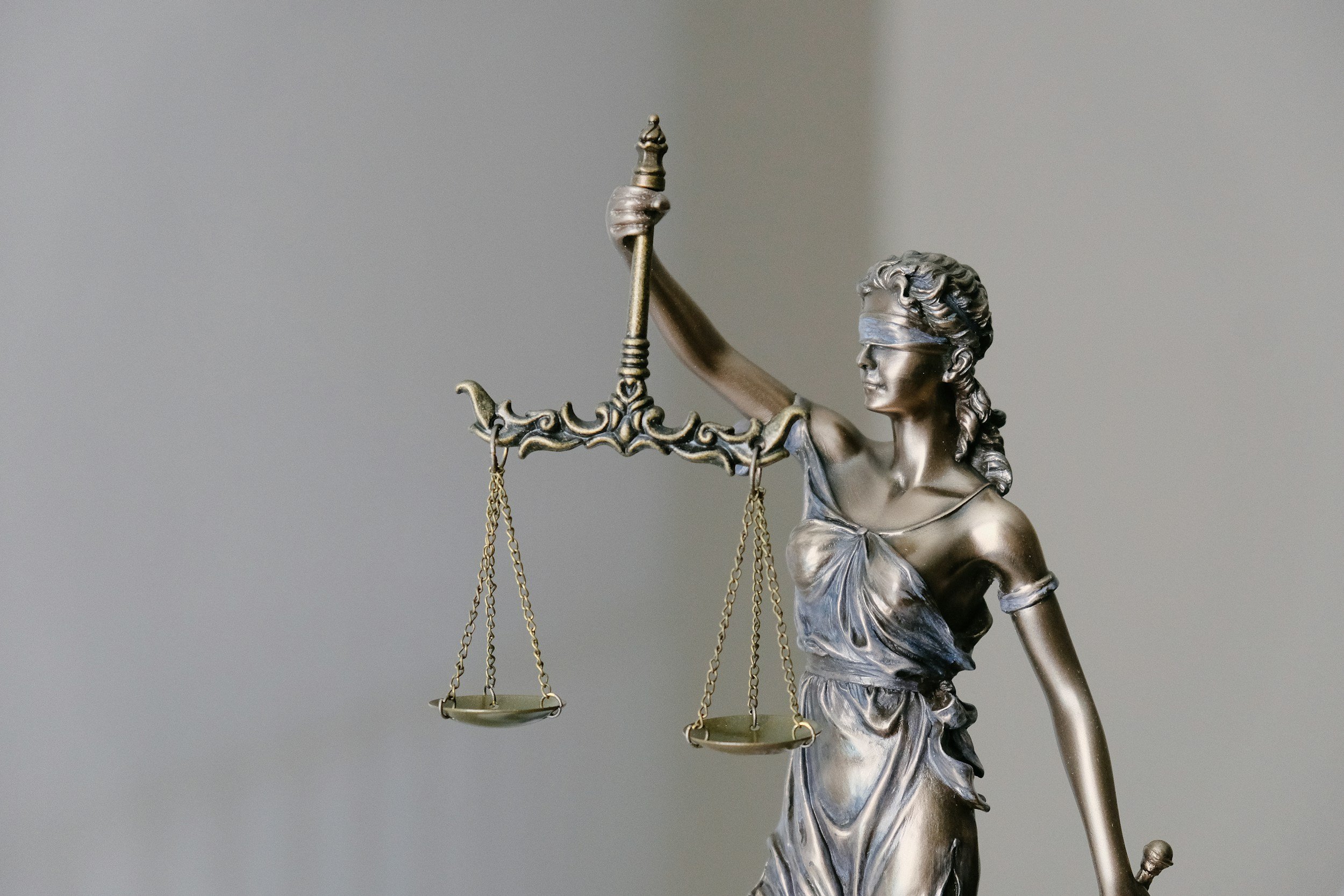
AI and the law: when truth becomes negotiable
When judges unknowingly cite fabricated cases, when agencies release doctored videos, when institutions treat AI output as reliable without verification, they're not just making isolated errors. They're normalizing a culture where verification is treated as optional and plausibility trumps truth.

The Language We Share
We often treat language as a fixed tool—you either speak it or you don't, you understand or you don't. But my grandparents' experience reveals something more complex. Language is fluid, shaped by history and circumstance. It's an imperfect system we use to capture thoughts and intentions that are always richer than the words themselves.