
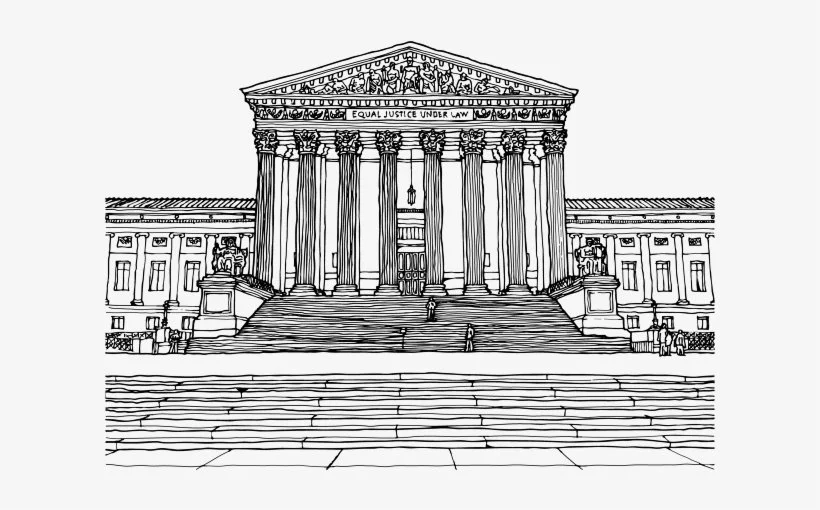
Asian Americans at the Supreme Court:
A Living History, Case by Case
We tend to think of history with distance, as something that happened, to people we never knew, settled and done. It's harder, but more honest, to think of history in the present tense: we are living in the future's history. Whether we're on the right side of it isn't a verdict handed down after the fact. It's an active choice, made in real time, by people who are shaping history as they live it, connected to everything that came before, whether they notice or not.
Asian American history tends to get treated as its own category, set slightly apart. But Asian American history is American history. It involves Americans. It has shaped American culture, American law, and the systems that govern everyone in this country, not a subset of it. We don't carve out a separate history for every group that makes up this country, and there's no good reason this one should be treated differently.
And yet: of the tens of millions of Americans with roots in Asia and the Pacific Islands, not one has ever sat on the U.S. Supreme Court. The Constitution has changed. The justices have changed many times over. The country around the Court has been remade more than once. But the institution itself, and a version of the same question, keep showing up together, case after case: does America belong to Asian Americans on the same terms it belongs to everyone else?
The answer has moved over 150 years, and it has never moved in a straight line. Not every case below asks that question in the same way, and a few of the people at the center of these cases weren't Asian American at all; their cases still shaped what the law allows, and shaped it for everyone who came after. Below are the Supreme Court cases that touch this history, organized not by date but by what they were actually asking. Each one links to a deeper, standalone piece on the people at its center, not just what the Court decided, but who they were, and what it cost them to ask.
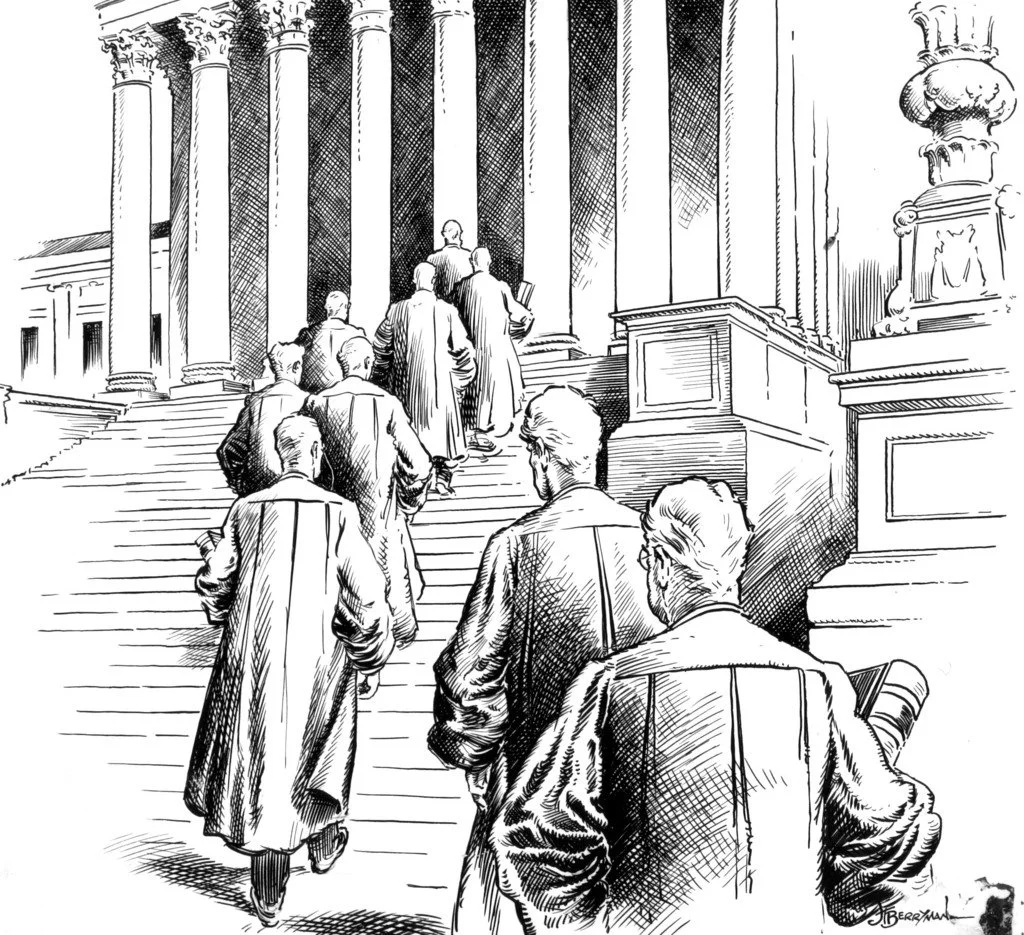
The Cases and Their Stories
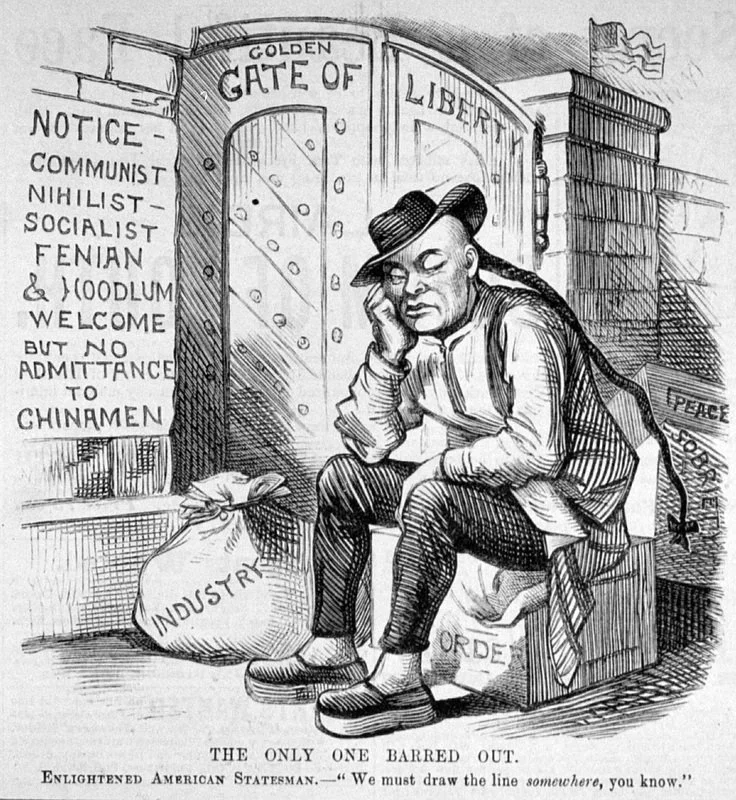
The Question Starts With a Boat
In the late 1800s, the Supreme Court ruled that immigration belonged to the federal government, not the states. Chy Lung v. Freeman (1875) used that principle to free twenty-two detained women. Within fifteen years, the same federal power was turned against the people it once protected: Chae Chan Ping v. United States (1889) and Fong Yue Ting v. United States (1893) upheld Congress's authority to exclude and deport Chinese immigrants outright.
Read more→
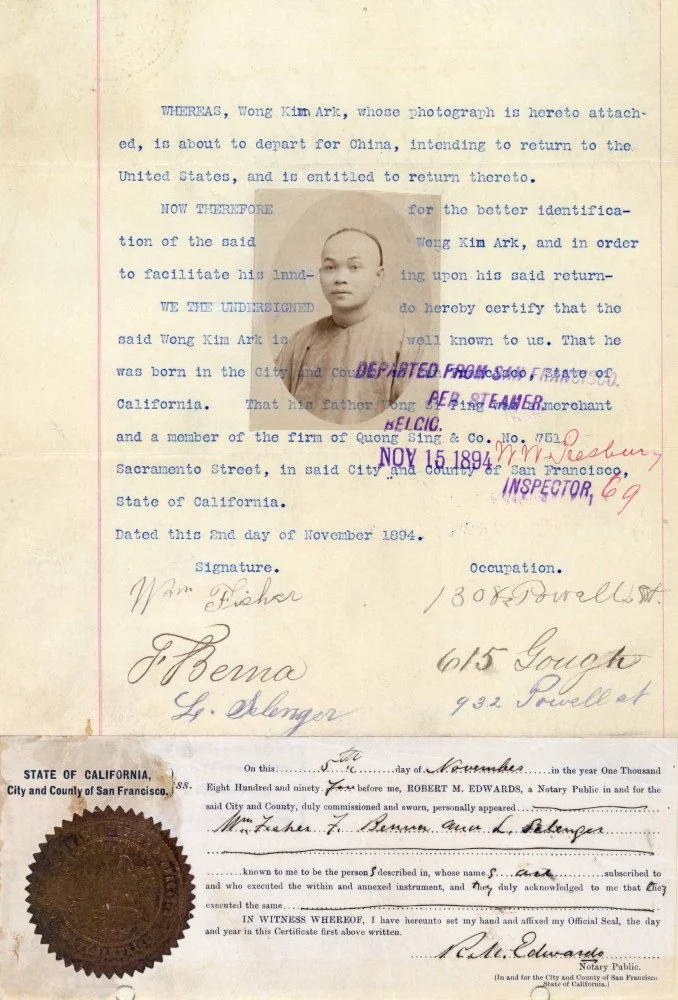
The Asymmetry of Whiteness
In 1886, the Supreme Court ruled that a law could be perfectly neutral on paper and still illegal in practice, striking down a San Francisco ordinance enforced almost exclusively against Chinese laundry owners. Twelve years later, Yick Wo v. Hopkins' logic collided with a harder question in United States v. Wong Kim Ark (1898): if you're born on American soil to parents the law won't let become citizens, are you one anyway? The Court said yes.
The Same Justice, Two Answers
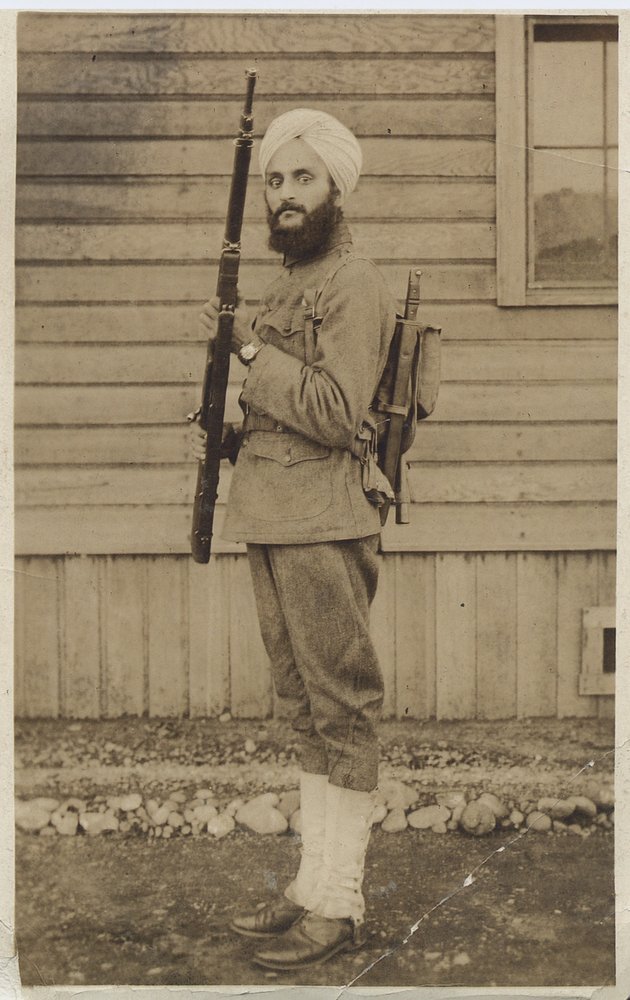
In 1922, the Supreme Court ruled "white" meant Caucasian, and a Japanese immigrant who'd spent twenty years building an American life lost his citizenship case on that basis. Three months later, the same justice ruled the opposite way for an Indian Sikh war veteran science classified as Caucasian, deciding "white" actually meant whatever the "common man" believed. Two rulings, one justice, no consistent definition.
Jim Crow Finds a New Target
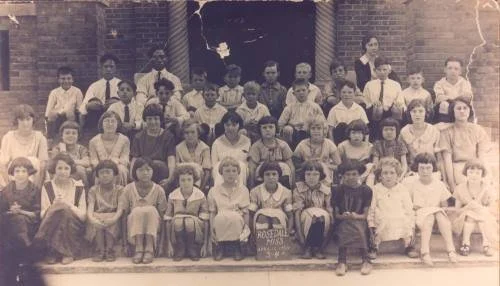
In 1924, a Mississippi school sent nine-year-old Martha Lum home for being Chinese, not Black, in a state that recognized only two kinds of student. Her family's Supreme Court case, Gong Lum v. Rice (1927), didn't challenge segregation itself: they argued Martha belonged on the white side of the line. The Court disagreed, and in doing so, taught Jim Crow how to absorb anyone, not just Black Americans.
Read more→
Loyalty on Trial
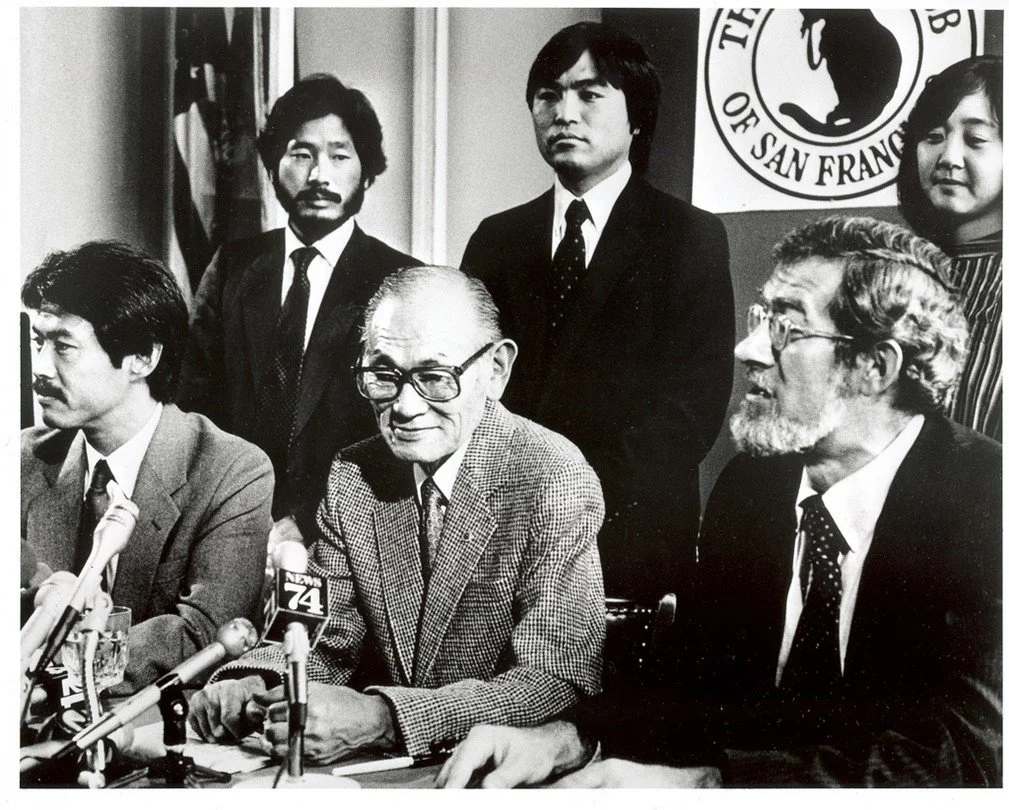
Four Japanese Americans took different pieces of the same wartime injustice to the Supreme Court: a curfew, a citizenship technicality, mass exclusion, and indefinite detention. Hirabayashi, Yasui, and Korematsu lost. Mitsuye Endo won, the same day Korematsu lost, on the narrowest possible grounds. None of them chose which question their case would test. The accident of litigation decided who the Constitution protected.
Read more→
Equal Access, Decided Without the Constitution
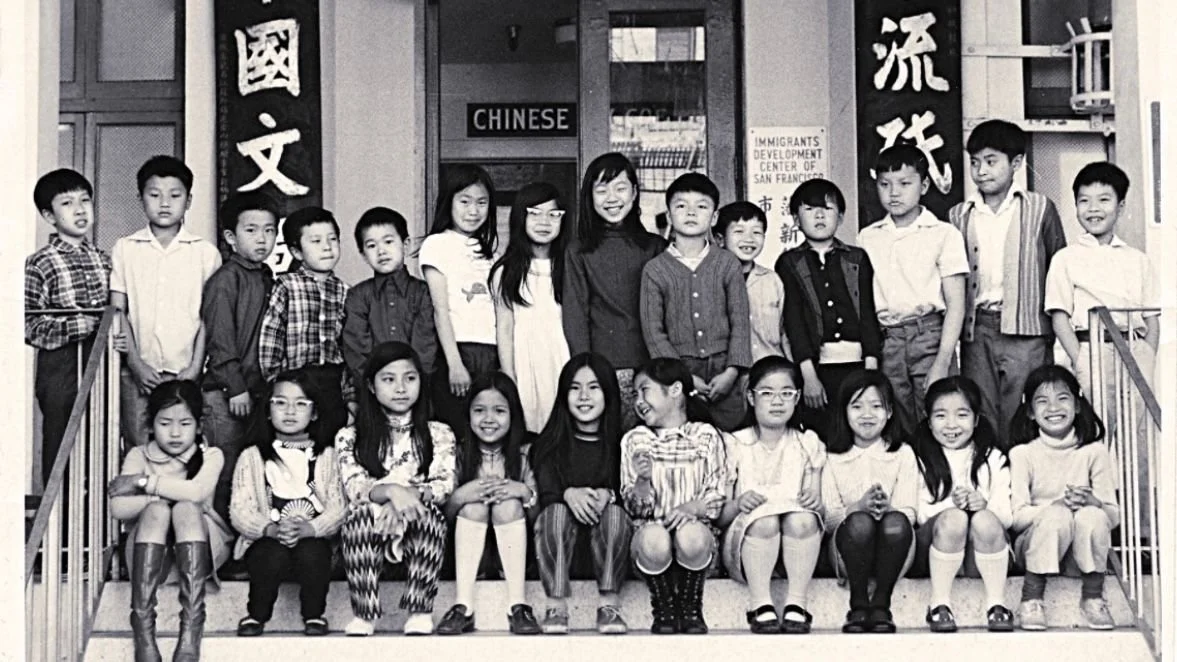
In 1974, a San Francisco first grader who spoke no English became the named plaintiff in a unanimous Supreme Court ruling that reshaped American public education, decided not on equal protection grounds but on a federal funding statute. Kinney Lau never fully benefited from the bilingual programs his own case produced. Decades later, he still wasn't sure they'd been the right answer.
Read more→

Diversity, Six Different Ways
(Affirmative Action)
Regents of UC v. Bakke (1978)
Students for Fair Admissions v. Harvard/UNC (2023)

A Word
(Free Speech)
Matal v. Tam (2017)